
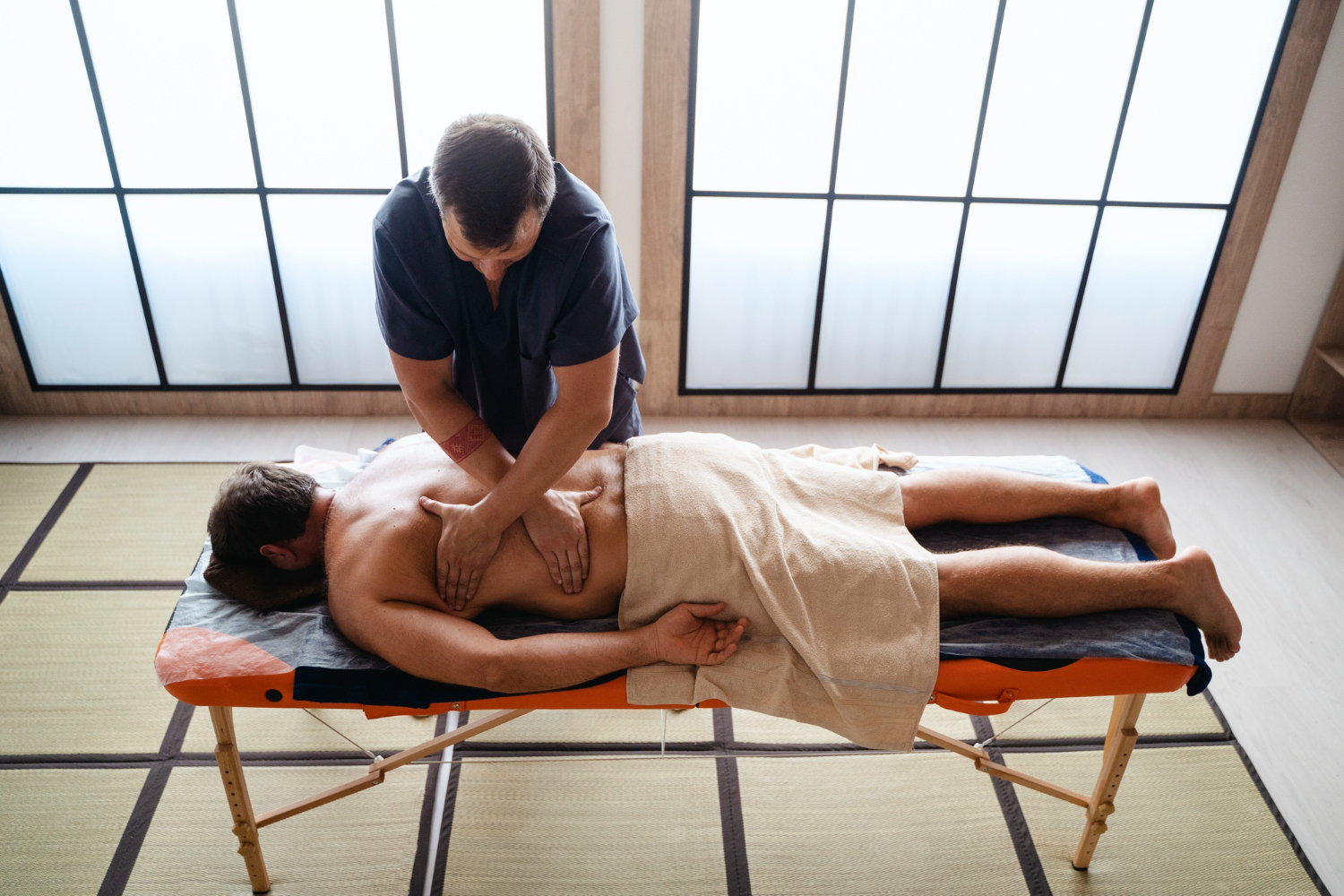
In today’s fast-paced world, the demands of daily life often leave us feeling stressed, fatigued, and, in many cases, in pain. Whether it’s the physical strain from long hours of sitting at a desk, the mental toll of juggling multiple responsibilities, or the discomfort of chronic conditions, it’s easy to see how our bodies and minds become overwhelmed. One of the most effective, yet often overlooked, ways to manage stress and pain is through regular massage therapy.
Massage has been practiced for thousands of years and remains one of the most popular forms of stress and pain relief around the world. Beyond just providing a relaxing experience, massage therapy can be an invaluable tool for improving your overall well-being. In this blog, we’ll explore the numerous benefits of regular massage for stress and pain management and how it can positively impact both your mental and physical health.
What is Massage Therapy?
Massage therapy involves the manipulation of the soft tissues of the body, including muscles, tendons, ligaments, and connective tissue, to enhance circulation, alleviate muscle tension, reduce pain, and promote overall relaxation. There are various types of massage, each offering specific benefits depending on your needs. Some of the most popular forms of massage include Swedish, deep tissue, trigger point therapy, and sports massage. Whether it’s a gentle Swedish massage or a more intense deep tissue session, each style is designed to target specific issues related to stress and pain.
How Regular Massage Helps with Stress Management
One of the most significant ways massage helps manage stress is by reducing the levels of cortisol, the body’s primary stress hormone. When you are stressed, your body releases cortisol to prepare for a “fight or flight” response. However, prolonged high levels of cortisol can contribute to a variety of health problems, including weight gain, anxiety, digestive issues, and a weakened immune system.
Regular massage has been shown to lower cortisol levels significantly. A study published in the International Journal of Neuroscience found that participants who received a 45-minute Swedish massage experienced a notable reduction in cortisol levels, leading to a feeling of calm and relaxation. By incorporating regular massage sessions into your routine, you can manage your body’s stress response and improve your overall mood.
Massage therapy not only reduces cortisol but also helps increase the production of serotonin and dopamine, two neurotransmitters that promote feelings of happiness and well-being. Serotonin plays a critical role in regulating mood, and low levels of serotonin have been linked to depression and anxiety. Dopamine, often referred to as the “feel-good” hormone, helps regulate pleasure and reward in the brain.
When you receive a massage, your body naturally increases the production of these neurotransmitters, promoting relaxation and an improved mood. For individuals dealing with stress and anxiety, this boost in serotonin and dopamine can make a significant difference in their emotional state.
Stress often leads to sleep disturbances, such as difficulty falling asleep or staying asleep throughout the night. This can create a vicious cycle where poor sleep exacerbates stress, and stress prevents restful sleep. Regular massage can help break this cycle by promoting deeper, more restorative sleep.
Massage increases blood circulation, calms the nervous system, and induces a state of relaxation that prepares the body for sleep. A study published in the Journal of Bodywork and Movement Therapies found that participants who received regular massages experienced improvements in their sleep quality, as well as reductions in anxiety and pain levels. By improving sleep, massage helps the body recover and recharge, making it better equipped to handle stress the following day.
When we are stressed, our muscles often tense up in response. This is particularly noticeable in areas such as the neck, shoulders, and back, where tension tends to accumulate. Over time, this muscle tightness can lead to pain and discomfort, creating additional stress and further compounding the issue.
Massage helps to release this muscle tension by applying pressure to the affected areas and using various techniques to loosen tight muscles. The result is a reduction in pain, improved flexibility, and a sense of physical relief. By regularly receiving massage therapy, you can prevent muscle tension from building up, thus reducing the impact of stress on your body.
How Regular Massage Helps with Pain Management
Massage therapy has been found to be effective in managing various types of chronic pain, including back pain, neck pain, and headaches. For individuals suffering from conditions such as osteoarthritis, fibromyalgia, and muscle stiffness, massage can provide significant relief.
Deep tissue massage, in particular, targets the deeper layers of muscle tissue to address chronic pain caused by long-term muscle tension. A study published in The Clinical Journal of Pain found that patients with chronic low back pain experienced a reduction in pain intensity and an improvement in mobility after receiving regular deep tissue massage treatments. Regular massage can also help reduce the severity of pain flare-ups and improve the overall quality of life for those dealing with chronic conditions.
Massage therapy improves circulation, which is crucial for pain management. Increased blood flow helps deliver oxygen and nutrients to muscles and tissues, promoting healing and reducing inflammation. This is particularly beneficial for individuals recovering from injuries or surgeries.
For athletes, massage can speed up recovery after intense physical activity by reducing muscle soreness and preventing injury. It also helps to clear metabolic waste products, such as lactic acid, that accumulate in the muscles during exercise. This leads to faster muscle recovery and a decrease in post-exercise soreness.
Inflammation is a natural response of the body to injury or infection, but chronic inflammation can lead to pain, swelling, and long-term damage. Massage therapy has been shown to help reduce inflammation in the body, especially when combined with other therapies such as ice or heat.
Regular massage sessions can help improve lymphatic drainage, which aids in the removal of excess fluid and waste products from the body. By promoting healthy circulation and reducing inflammation, massage can significantly alleviate pain and discomfort associated with inflammatory conditions such as arthritis and tendonitis.
Headaches, particularly tension headaches and migraines, are often caused by muscle tightness, stress, and poor posture. Massage therapy can be a highly effective way to relieve both the frequency and intensity of headaches.
Massage techniques, such as neck and shoulder manipulation, can relieve muscle tension and reduce the frequency of tension headaches. For individuals suffering from migraines, massage therapy can help reduce the severity of pain and alleviate the symptoms of nausea and light
sensitivity that often accompany a migraine attack. Regular massage sessions can be a proactive approach to managing headaches and preventing their recurrence.
The Role of Different Types of Massage in Stress and Pain Management
There are several types of massage techniques, each designed to address specific needs related to stress and pain management. Some of the most popular types include:
Swedish massage is a gentle, relaxing massage that involves long, smooth strokes, kneading, and circular motions. This type of massage is ideal for reducing overall stress, promoting relaxation, and relieving muscle tension. It’s often used for individuals who are new to massage or those seeking a calming experience.
Deep tissue massage is a more intense form of massage that targets the deeper layers of muscle and connective tissue. It’s especially beneficial for individuals with chronic pain, muscle stiffness, or injury recovery. Deep tissue massage helps alleviate muscle tension, reduce pain, and improve flexibility.
Trigger point therapy involves applying pressure to specific points on the body known as trigger points, which are areas of tightness and muscle knots. This therapy is especially useful for individuals with localized muscle pain or tension, such as those with neck, back, or shoulder pain.
Sports massage is tailored to athletes and individuals who engage in regular physical activity. It helps prevent injuries, reduce muscle soreness, and enhance recovery after exercise. Sports massage focuses on the muscles used in a specific sport or activity and can be an essential tool for improving performance and managing pain.
Conclusion
Massage therapy is not just a luxury—it’s an effective and natural way to manage stress and pain. By incorporating regular massage sessions into your routine, you can significantly reduce the physical and emotional toll of stress, alleviate chronic pain, improve your overall mood, and enhance your well-being. Whether you’re looking to reduce muscle tension, relieve stress, or manage pain from chronic conditions, massage therapy offers a wide range of benefits that can
transform your life. Don’t wait for pain or stress to build up—make massage a part of your wellness plan today and experience the powerful benefits it can bring to your health.
