
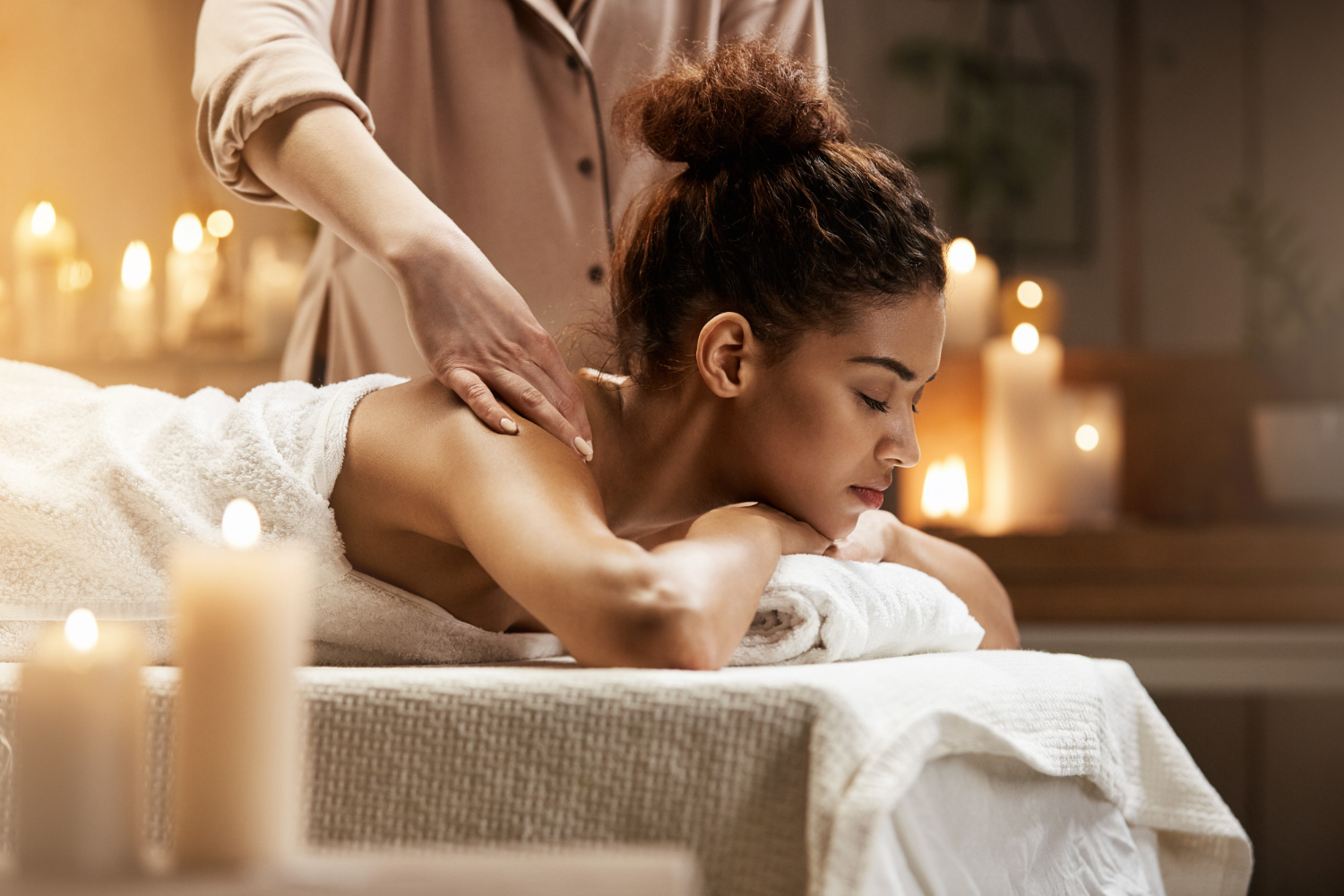
In today’s fast-paced world, where stress and physical strain are almost inevitable, it’s no surprise that many people turn to massage as a way to unwind and rejuvenate. Whether you’ve experienced the relaxing effects of a good massage yourself or are just curious about the health benefits, massage therapy is an ancient practice with modern relevance. The therapeutic effects of massage go far beyond just relaxation; they can help alleviate pain, improve circulation, boost mental clarity, and even reduce stress levels. In this blog, we’ll explore the powerful impact massage can have on your health and overall well-being, providing you with insights into why it’s worth making it a regular part of your wellness routine.
The History of Massage
Massage therapy dates back thousands of years, with evidence suggesting its use in ancient civilizations such as China, Egypt, Greece, and Rome. In ancient China, massage was an integral part of traditional medicine and was used to promote physical healing and enhance the flow of energy within the body. Similarly, ancient Egyptians recognized the healing power of touch and incorporated massage techniques into their medical practices.
By the 19th century, massage gained popularity in Europe and America as a legitimate form of therapy for pain relief, stress reduction, and injury recovery. Today, massage has evolved into a widely accepted practice, with a wide range of techniques and modalities designed to address various health concerns.
The Benefits of Massage for Health and Relaxation
One of the most well-known benefits of massage is its ability to reduce stress and promote relaxation. In a world filled with constant pressure, deadlines, and responsibilities, it’s easy for stress to build up and negatively impact our physical and mental health.
Massage triggers the body’s relaxation response by stimulating the parasympathetic nervous system, which helps counteract the effects of the stress hormone cortisol. Regular massage sessions have been shown to lower cortisol levels, helping the body shift into a state of calm. The soothing touch of a skilled massage therapist, combined with calming techniques such as aromatherapy or calming music, can create an environment conducive to relaxation and stress relief.
Massage also boosts the production of endorphins, the body’s natural “feel-good” hormones. These endorphins not only improve mood but can also provide relief from anxiety, depression, and tension. By reducing both the physical and emotional symptoms of stress, massage serves as a powerful tool for maintaining mental and emotional well-being.
Massage therapy is an effective way to alleviate muscle tension, stiffness, and pain. Whether caused by overexertion, poor posture, or chronic conditions like arthritis, muscle tension can significantly impact your quality of life. Massage works by manipulating the muscles and soft tissues, which can reduce the build-up of lactic acid and other metabolic byproducts that
contribute to muscle soreness.
A deep tissue massage, in particular, targets the deeper layers of muscle tissue, helping to release tension and knots that often cause discomfort. For individuals with chronic pain conditions, massage therapy can serve as a complementary treatment, reducing the need for medication and promoting long-term relief.
For athletes, massage plays a vital role in injury recovery. It helps reduce muscle soreness, enhances flexibility, and improves circulation, all of which contribute to faster healing and a quicker return to physical activity.
Good circulation is essential for delivering oxygen and nutrients to the body’s cells while removing waste products. Poor circulation can lead to fatigue, swelling, and a compromised immune system. Massage enhances blood flow and promotes the flow of lymph, a fluid that carries immune cells and helps detoxify the body.
The pressure applied during a massage session helps stimulate the blood vessels, improving circulation to areas that may be restricted or congested. This increased blood flow can help speed up the healing process after an injury and reduce swelling in areas prone to fluid retention, such as the legs and feet.
Improved circulation also helps the body’s immune system function more efficiently, boosting its ability to fight off infections and illnesses. Regular massage can strengthen the body’s defense mechanisms, making it easier to maintain good health.
Another benefit of massage is its ability to improve flexibility and range of motion. By targeting tight muscles and connective tissues, massage helps increase the elasticity of muscles, tendons, and ligaments. This makes it easier to move freely and perform daily tasks without discomfort.
Massage is particularly beneficial for people with joint stiffness, whether due to aging, injury, or conditions like arthritis. Techniques such as joint mobilization and stretching during a massage session help improve the flexibility of the joints, reducing pain and discomfort.
For athletes and active individuals, massage enhances performance by keeping muscles flexible and preventing injuries. By incorporating regular massage into their routine, athletes can reduce the risk of overuse injuries, improve their agility, and boost overall performance.
Sleep is vital for overall health and well-being, and many people struggle to get enough restorative sleep. Whether due to stress, pain, or an overactive mind, poor sleep can have a significant impact on mood, energy levels, and cognitive function.
Massage can improve sleep by reducing stress and promoting relaxation. As mentioned earlier, massage helps lower cortisol levels and trigger the production of serotonin and melatonin—two hormones that play key roles in regulating sleep. Additionally, massage helps alleviate physical discomfort that may prevent restful sleep, such as muscle pain or tension.
A study published in the Journal of Alternative and Complementary Medicine found that participants who received regular massage therapy experienced improved sleep quality and a decrease in insomnia symptoms. For individuals who have difficulty falling asleep or staying asleep, a massage before bedtime can be a soothing ritual that encourages deeper, more restful sleep.
Massage doesn’t just benefit the body; it also has a positive impact on mental clarity and cognitive function. When stress and tension are reduced, the mind is better able to focus and concentrate. This makes massage an excellent way to improve productivity and mental sharpness, especially during periods of high stress or burnout.
Regular massage has been linked to improved cognitive performance, including better memory retention and problem-solving skills. By reducing the mental clutter caused by stress, massage helps clear the mind and allow for more efficient thinking.
Massage therapy can be an invaluable part of post-surgery rehabilitation. After surgery, the body often experiences reduced mobility, swelling, and muscle atrophy. Massage helps alleviate these issues by improving circulation, reducing swelling, and promoting the healing of soft tissues.
For individuals recovering from surgery, massage therapy can speed up the recovery process, reduce the formation of scar tissue, and improve the overall range of motion. Always consult with a healthcare provider before starting massage therapy post-surgery, as it’s essential to ensure that massage is appropriate for your specific condition.
Types of Massage Techniques and Their Benefits
There are various types of massage techniques, each targeting specific needs. Here are some popular types of massage:
Conclusion
Massage therapy is much more than just a luxury or indulgence—it’s a powerful tool for improving your health and well-being. From stress relief and pain management to improved circulation and better sleep, the benefits of massage are numerous and impactful. Whether you’re seeking relief from muscle pain, hoping to reduce stress, or simply looking to relax, massage offers a holistic solution that promotes both physical and mental health. So, the next time you’re feeling overwhelmed or in need of some self-care, consider treating yourself to a massage. Your body and mind will thank you for it.
